
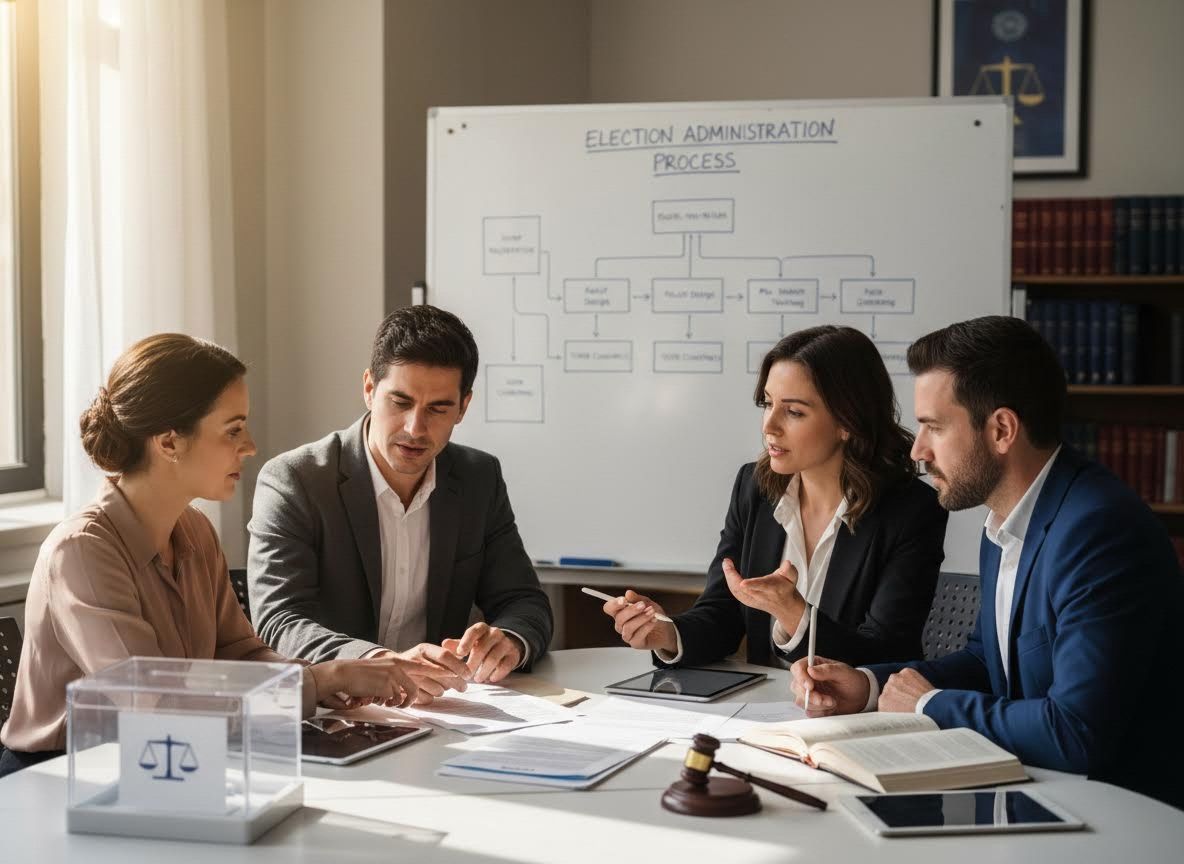
Navigating the intricate landscape of election laws can often feel daunting, yet understanding these regulations is paramount for impactful civic engagement. Far from being abstract legal jargon, these laws are the bedrock of our democratic process, shaping everything from voter registration to how votes are counted. At The Election Expert, we believe that informed citizens are empowered citizens, capable of advocating for electoral integrity and ensuring that every vote cast holds its intended weight. This guide aims to demystify these crucial legal aspects, inviting you to become a more vigilant and effective participant in our elections.

The Foundation: Understanding Election Administration
At the heart of every election lies a complex system of election administration, a carefully orchestrated process governed by a myriad of state and federal statutes. This includes everything from the procedures for voter registration and ballot design to the training of poll workers and the secure transport of ballots. Understanding who is responsible for each stage – be it a state election board, a county clerk, or local precinct officials – is crucial for anyone seeking to engage effectively. Knowing these operational structures provides a clear pathway to address concerns or participate in improvements, anchoring your civic actions within the established legal frameworks designed to ensure fairness and transparency.
Navigating Legal Frameworks: Your Rights and Responsibilities
Our electoral system is built upon a robust set of legal frameworks that define the rights and responsibilities of both voters and election officials. These laws detail how vote-by-mail systems operate, the eligibility requirements for voting, and the legal recourses available in cases of dispute. For instance, concerns about voter fraud are often addressed within these frameworks through established procedures for ballot verification, signature matching, and robust chain-of-custody protocols. Being informed about these specific provisions empowers you to not only exercise your right to vote confidently but also to understand the legal safeguards in place, enabling a more vigilant approach to observing the process.

The Power of Citizen Observation
Active participation goes beyond just casting a ballot; it extends to the critical role of citizen observation. Within defined legal parameters, citizens have the right to observe various stages of the election process, from poll openings to ballot counting and tabulation. This form of engagement is a vital check and balance, contributing significantly to transparency and accountability. Understanding the legal frameworks governing where and how you can observe empowers you to become a proactive guardian of the electoral process, ensuring that all procedures are followed diligently and fairly, bolstering public confidence in outcomes.
Empowering Your Voice: When to Consult Election Experts
While self-education is a powerful tool, the complexities of election law can sometimes require specialized guidance. This is where election experts play an indispensable role. Whether you encounter a nuanced legal question regarding a provisional ballot, wish to challenge a procedural irregularity within established legal channels, or simply need clarification on a specific statute, consulting professionals who specialize in election law can provide clarity and strategic direction. Leveraging their expertise ensures that your civic engagement is not only passionate but also legally sound and maximally effective.
Understanding the legal frameworks and operational intricacies of our elections is not merely an academic exercise; it is a fundamental aspect of responsible citizenship. By familiarizing ourselves with election administration, our legal rights, and the power of citizen observation, we fortify the democratic process against challenges and ensure its integrity. The Election Expert is committed to equipping citizens with the knowledge and tools needed for informed vigilance and impactful civic action. Explore our resources to deepen your understanding and become an even more effective advocate for fair and transparent elections.