
Blog

Maintaining voter registration integrity is fundamental to a healthy democracy, ensuring accurate voter rolls through meticulous election administration, robust legal frameworks, and active citizen observation. The Election Expert emphasizes how these essential mechanics, supported by specialized insights, collectively fortify our democratic system. Understanding these pillars is crucial for safeguarding the trust in our electoral process.
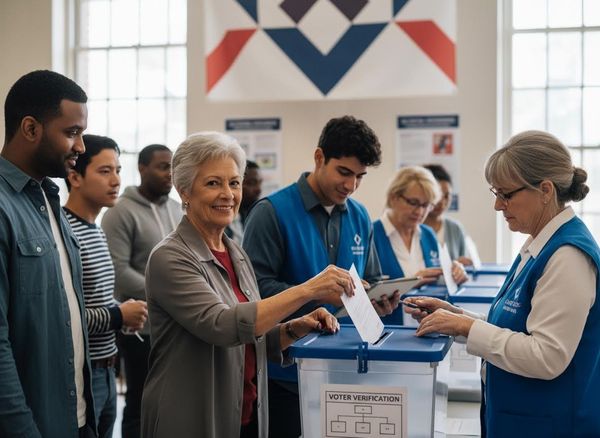
Ensuring election integrity is paramount for a functioning democracy, requiring clear understanding of robust safeguards against voter fraud. Our elections utilize a multi-layered security approach, from voter registration to ballot tabulation, reinforced by vital election verification education. Collective vigilance and legal accountability are essential to maintaining trust and safeguarding democratic processes.
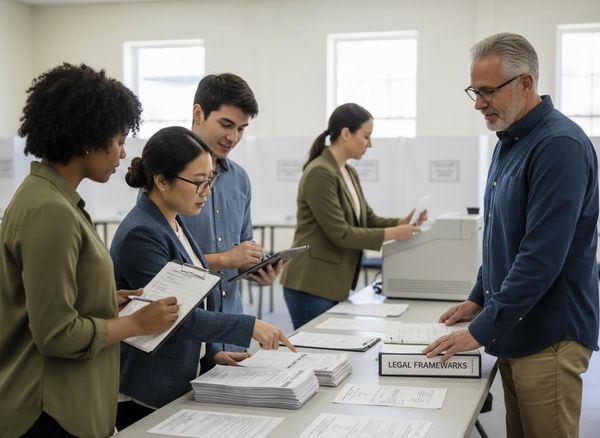
Empower yourself to become a vigilant election observer, safeguarding democratic processes and electoral system integrity. This guide details understanding election administration, legal frameworks, and effective citizen observation techniques, including vote-by-mail protocols. Your active participation enhances transparency, accountability, and public trust in elections.
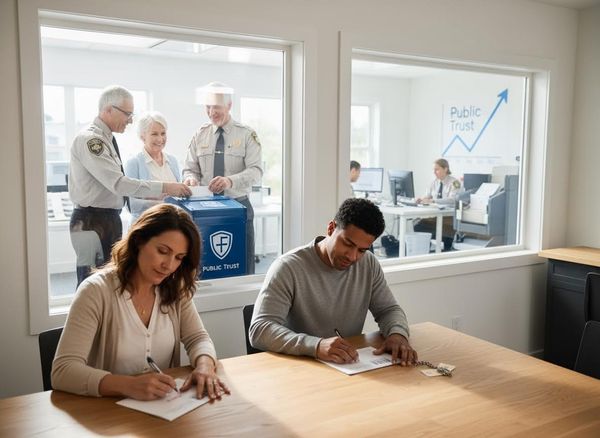
Vote-by-mail operates as a secure voting method, supported by robust legal frameworks and multi-layered safeguards designed to prevent voter fraud and uphold election integrity. Key security measures include rigorous signature verification, unique ballot tracking, and comprehensive voter roll maintenance, ensuring each vote is valid and counted. Understanding these established protocols is crucial for fostering public trust and safeguarding the integrity of our democratic elections.
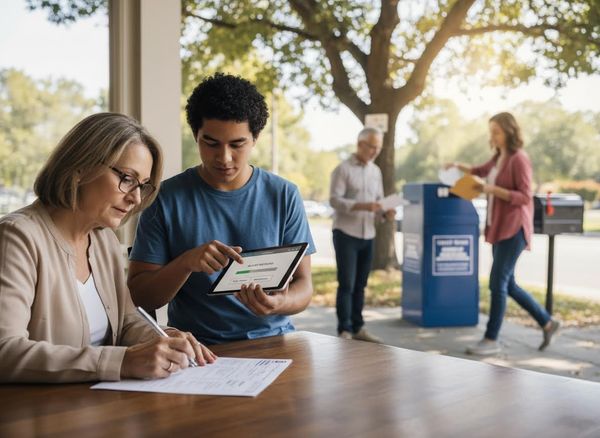
Understanding vote-by-mail options and security is crucial for confident participation in modern elections. Robust protocols like signature verification and ballot tracking ensure the integrity of every mailed ballot, upholding election security. The Election Expert provides clear insights and comprehensive guidance to empower your informed civic duty.
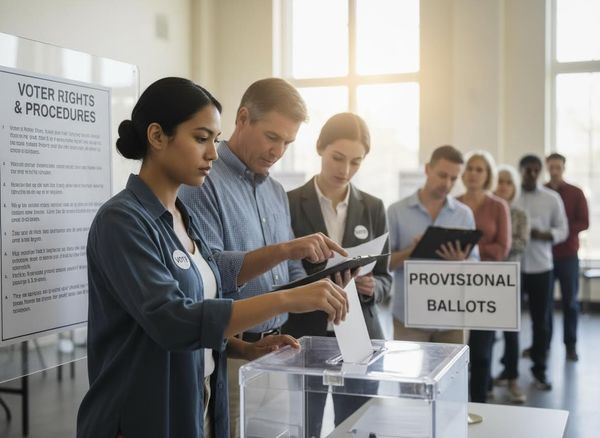
Understanding your legal rights as a voter is crucial for informed participation in democracy and safeguarding election integrity. This post details the essential legal frameworks protecting your ability to cast and have your ballot counted, covering aspects like mail-in voting, provisional ballots, and citizen observation. Equip yourself with the knowledge to uphold the democratic process and ensure every legitimate vote is accounted for.
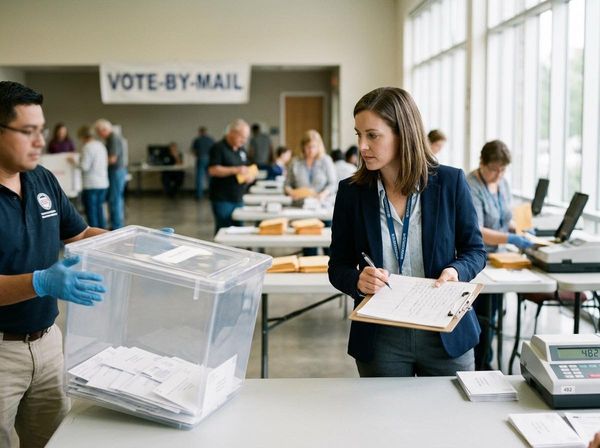
Understanding the election month process is crucial for ensuring election integrity and accurately verifying total votes cast. This involves systematic tracking of early voting, Election Day ballots, and Vote-by-Mail (VBM) processes, including monitoring ballot requests, returns, and validation steps. By independently observing and comparing vote counts across these methods, citizens can help ensure transparency and accountability in election results.

Understanding robust vote-by-mail security protocols is crucial for election integrity, empowering voters with the knowledge to confidently participate in secure ballot casting. A comprehensive legal framework fortifies vote-by-mail processes, while your proactive role in following instructions and using official tracking systems further ensures ballot security. By engaging in election verification education and staying vigilant against disinformation, citizens strengthen trust in the secure voting process.
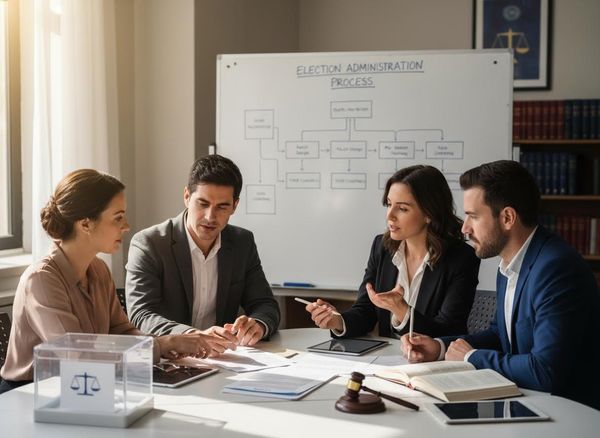
Understanding election laws is crucial for impactful civic engagement, shaping everything from voter registration to how votes are counted in our democratic process. These vital legal frameworks define voter rights, administration processes, and responsibilities, ensuring transparency and accountability. Demystify election complexities and empower your voice to become a vigilant and effective participant in fair elections.
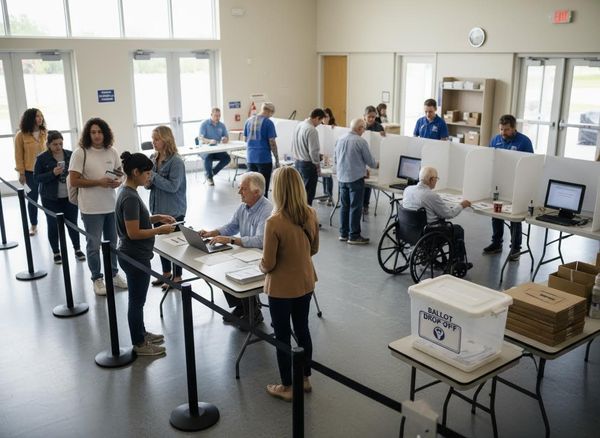
Understanding Election Day operations is crucial for maintaining confidence in democratic processes and voting integrity. This guide demystifies the step-by-step journey of a vote, covering meticulous preparations, secure casting, and rigorous closing procedures. Learn how election administration ensures fairness, accuracy, and legal adherence through post-election verification and expert oversight.
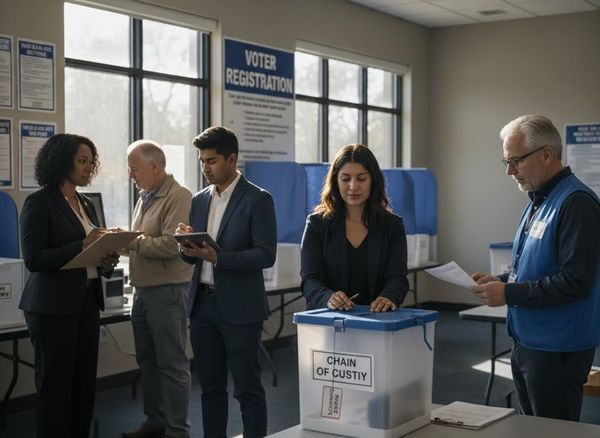
Professional election monitoring is essential for upholding democratic integrity, demanding a thorough understanding of election processes and a commitment to fairness. This guide provides comprehensive election verification education, empowering individuals to meticulously observe and properly report potential irregularities. Discover how The Election Expert can fortify democratic practices and safeguard public trust through vigilant oversight.
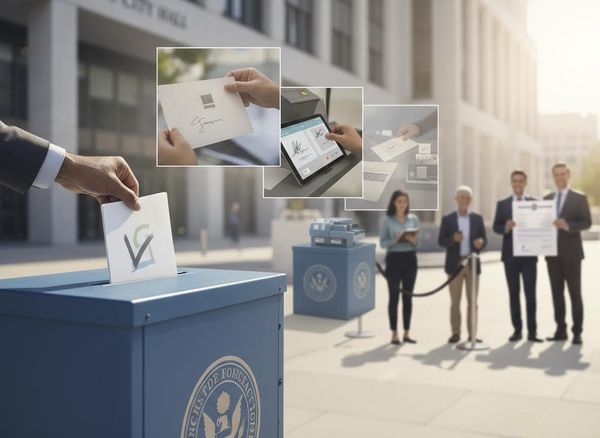
Understanding your ballot's journey to be counted is essential for maintaining trust in our democratic elections. From secure collection and rigorous signature verification to certified tabulation, every step ensures your vote's integrity. Learn how election experts diligently secure the process, safeguarding the will of the people.
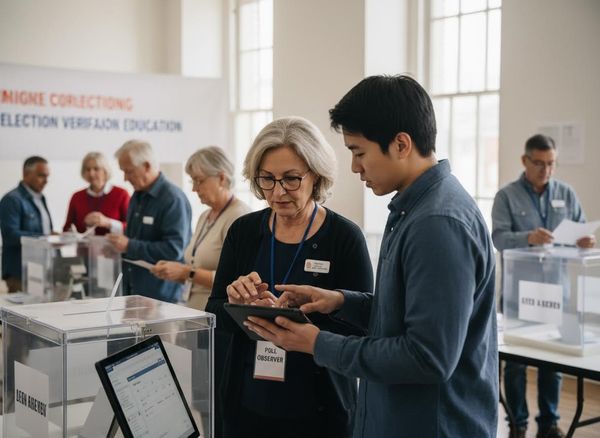
Ensuring election integrity through vigilant oversight is paramount for maintaining public trust in our democratic institutions and the electoral process. This commitment necessitates comprehensive election verification education, empowering citizens to understand and safeguard the secure operation of every election. By fostering active engagement and implementing stringent protocols, we collectively uphold electoral trust and the legitimacy of every outcome.
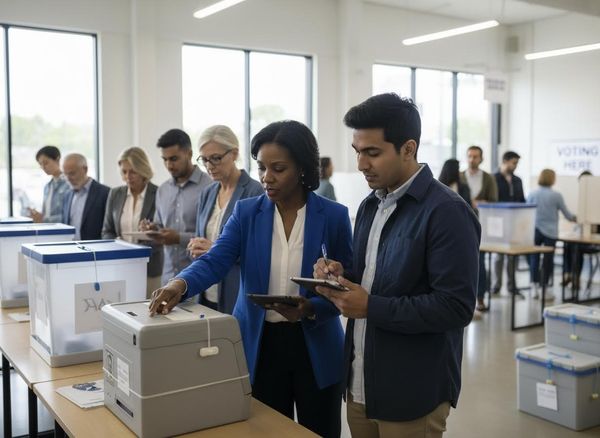
Election monitoring is crucial for safeguarding the integrity of the democratic process, ensuring transparency and accountability in every vote. This vital oversight builds public trust by deterring irregularities and verifying results, from voter registration to tabulation. Empowering citizens with election verification education further strengthens democracy by fostering informed participation and collective responsibility.

Becoming an informed citizen with strong electoral knowledge is essential for a robust democracy, empowering individuals to confidently engage in every election cycle. Understanding the intricacies of the election process, from voter registration to election verification education, is crucial for discerning fact from fiction. This foundational knowledge ensures public trust in electoral outcomes and actively upholds election integrity.
You’ve done the grueling work. You’ve audited the voter rolls, identified the commercial addresses masking phantom voters, tracked the daily flow of mail-in ballots, and mathematically proved that the drop box counts don’t align with reality. You bring your meticulously documented evidence to your local election officials, fully expecting them to recognize the discrepancies and take corrective action.
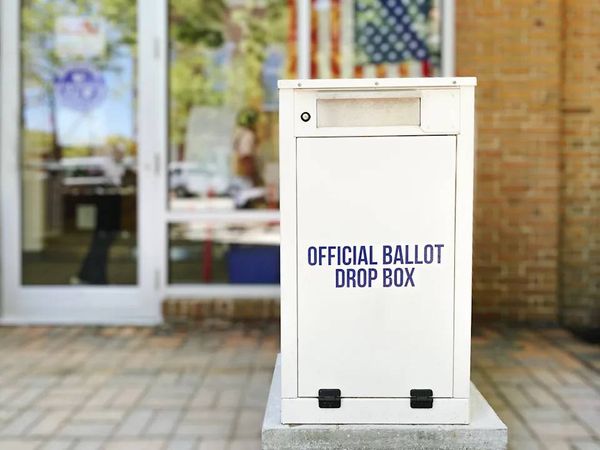
The image of the ballot drop box has become one of the most hotly debated symbols of the modern American election. Originally introduced as a measure of extreme convenience, these standalone, often unmanned metal receptacles have fundamentally altered the logistics of voting. They sit on street corners, outside libraries, and in municipal parking lots, available twenty-four hours a day.

When citizens discover discrepancies in their local elections—whether it is a bloated voter roll, a sudden influx of unverified mail-in ballots, or a refusal to allow public observation of a canvassing board—the natural impulse is to demand answers. Yet, more often than not, this civic passion hits a brick wall. Election officials cite administrative policy, hide behind bureaucratic jargon, and subtly signal that everyday citizens have no business questioning the mechanics of the state.
Every election cycle, stories surface of citizens walking to their mailboxes only to find three, four, or even five mail-in ballots addressed to the same household. Sometimes the names are slight variations of the current resident; other times, the ballots belong to people who haven’t lived at the property in a decade. And then, there is the darker, more cynical political punchline: the deceased voter who miraculously continues to cast a ballot from beyond the grave.
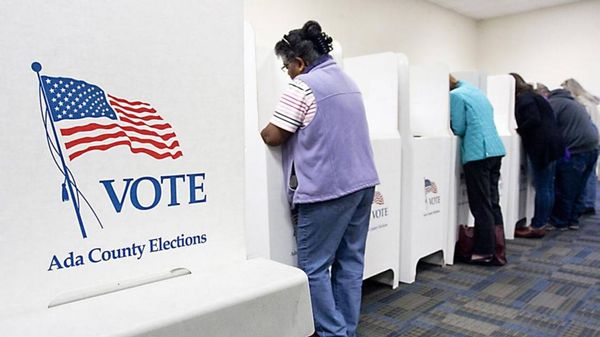
If early voting and Election Day represent the secure, physical bedrock of our democratic process, the Vote-By-Mail (VBM) system is its most vulnerable frontier. It is the “third way” to vote, and historically, it is the easiest mechanism to exploit if one wishes to pump additional, unverified ballots into the final count. Unlike in-person voting, where a citizen must physically present themselves to an election worker..