

The question of whether vote-by-mail constitutes a secure voting method is one of critical importance, shaping public confidence in our democratic institutions. As The Election Expert, we understand the profound implications of every vote cast and the imperative to safeguard the integrity of our election process. This discussion aims to provide a clear, educational, and action-oriented perspective on the established security protocols, empowering citizens with accurate information and fostering vigilance in upholding electoral standards.

Legal Frameworks Underpinning Vote-by-Mail Security
Across the nation, the implementation of vote-by-mail systems is not a haphazard endeavor but rather a carefully legislated practice, grounded in a robust legal framework designed to prevent voter fraud. Each state and local jurisdiction operates under specific statutes and regulations that dictate every step of the vote-by-mail process, from ballot printing and distribution to collection and tabulation. These laws often include strict penalties for electoral offenses, serving as a powerful deterrent. Understanding these legal underpinnings is crucial for election verification education, ensuring that citizens recognize the systemic protections in place. Our commitment is to illuminate these legislative safeguards, ensuring transparency and accountability in the election process.
Multi-Layered Safeguards from Ballot to Count
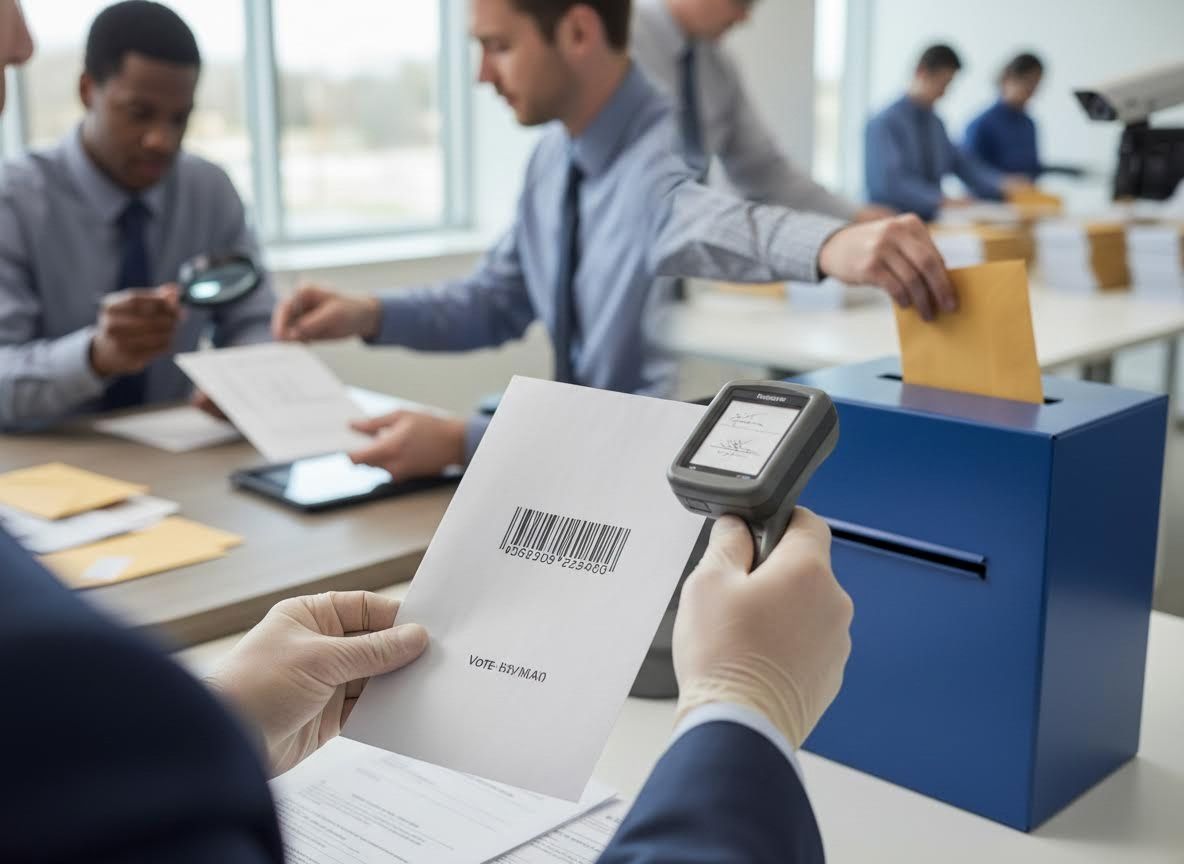
The security of vote-by-mail is maintained through a series of multi-layered safeguards designed to protect against tampering, coercion, and instances of voter fraud. This begins with voter roll maintenance, where election officials regularly update records to remove ineligible voters, ensuring that only qualified individuals receive ballots. Unique barcodes or serial numbers on each ballot allow for tracking and prevent duplicate voting. Signature verification is a cornerstone of this security, with trained election officials comparing the signature on the return envelope to signatures on file, a rigorous process that flags discrepancies for further review and potential remedy. Secure drop boxes, chain-of-custody protocols for ballot transport, and stringent procedures for ballot opening and counting further reinforce the integrity of the election process.

Addressing Concerns and Fostering Public Trust
Concerns regarding the security of vote-by-mail are understandable, particularly given the evolving landscape of election administration. It is imperative to address these concerns with factual information and to highlight the continuous efforts made to enhance security. While no system is entirely impervious to malicious attempts, the robust checks and balances in place for vote-by-mail significantly mitigate risks. Post-election audits, both manual and automated, serve as a final layer of review, verifying the accuracy of results and deterring potential wrongdoing. Comprehensive election verification education is vital to fostering public trust and ensuring that citizens are aware of the mechanisms protecting their vote. A vigilant and informed electorate is our strongest defense against misinformation and threats to the integrity of our democratic elections.
Maintaining faith in our electoral system, including vote-by-mail, requires both comprehensive security measures and a well-informed citizenry. The protocols and legal frameworks governing the election process are continually refined to counter potential threats and bolster public confidence. For those seeking deeper insights into these critical safeguards and how to remain an active, informed participant, The Election Expert offers resources and consulting to navigate the complexities of election verification education. Your vigilance and understanding are paramount in safeguarding our democratic future.