
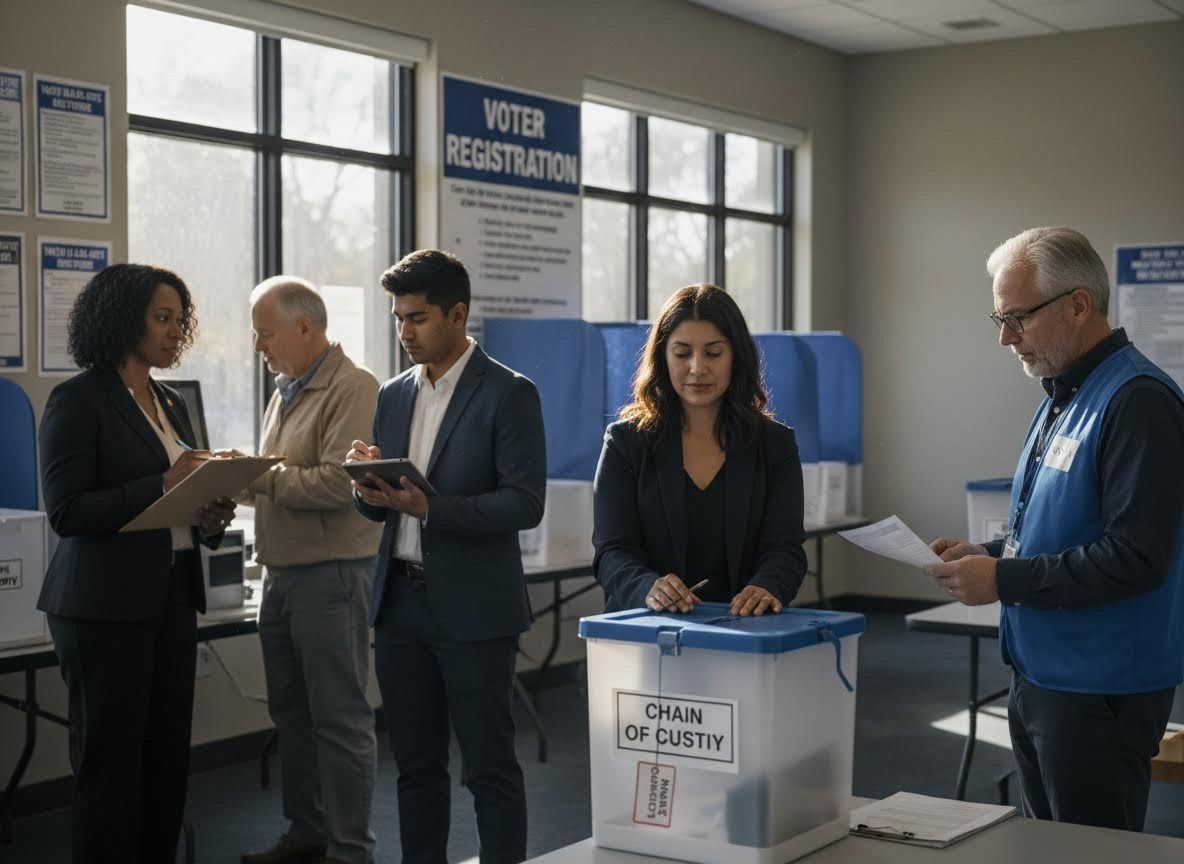
Ensuring the integrity of our democratic processes is paramount. Professional election monitoring plays a critical role in upholding this fundamental principle, demanding a vigilant eye, a clear understanding of legal frameworks, and an unwavering commitment to fairness. This guide from The Election Expert empowers individuals with the knowledge and tools to effectively monitor elections, safeguarding the very foundation of our civic engagement.

Deciphering the Election Process: A Foundation for Oversight
Effective election monitoring begins with an intimate understanding of the election process itself. This isn't merely about observing on Election Day; it encompasses the entire lifecycle, from voter registration and list maintenance to early voting, vote-by-mail procedures, polling place operations, and the final canvass. A professional monitor must be acutely aware of state and local election laws and regulations, as these form the legal bedrock for all proceedings. Without this foundational election verification education, identifying potential deviations or irregularities becomes a challenge. Vigilance here means proactively studying the rules, protocols, and standard operating procedures to distinguish between normal operations and potential concerns.
Strategic Vigilance: Key Areas for Focused Observation
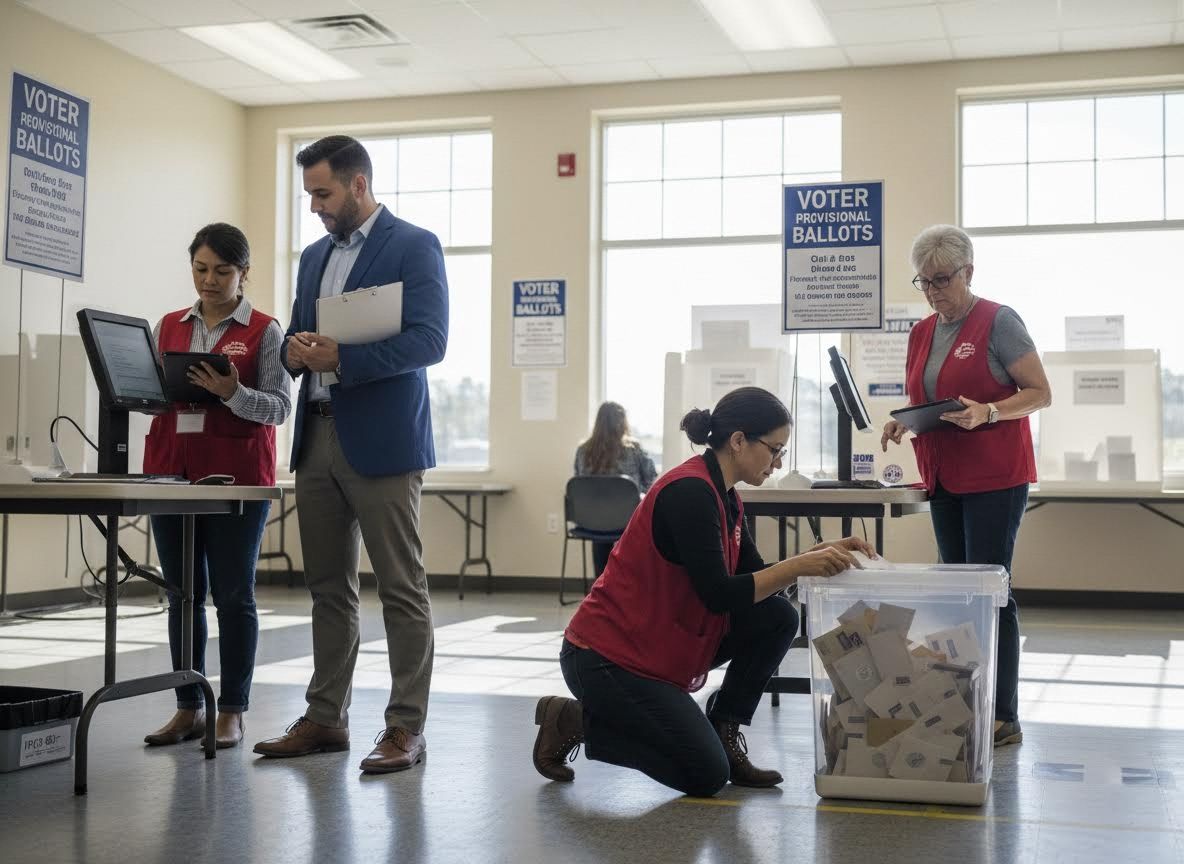
While the entire election process warrants attention, certain areas demand particular vigilance from monitors. The handling of vote-by-mail ballots, from distribution to collection and tabulation, is a critical point of focus, ensuring chain of custody and proper security protocols are consistently followed. Observing voter registration activities, including challenges and provisional ballot procedures, helps ensure all eligible citizens can cast their vote while preventing potential voter fraud. At polling places, monitors should observe poll worker conduct, the accessibility of voting machines, the proper display of signage, and the overall atmosphere to ensure fairness and adherence to law. Your presence and meticulous observation contribute significantly to transparency.

Professional Conduct and Meticulous Documentation
Monitoring elections is a serious responsibility that requires a professional and objective approach. It's not about interfering with the election process, but about observing, documenting, and reporting. Monitors must adhere strictly to established codes of conduct, avoiding partisan displays or actions that could be perceived as intimidation. Crucially, every observation, especially any potential irregularity, must be meticulously documented. This includes precise times, locations, individuals involved, and a factual description of the event. Understanding the correct legal channels for reporting these observations is paramount; simply identifying an issue is not enough – it must be communicated through the proper authorities to initiate resolution. Continuous election verification education strengthens a monitor's ability to act effectively and legally.

Reinforcing Democratic Trust
Vigilant, informed, and legally sound election monitoring is indispensable for maintaining public trust and the fidelity of our democratic system. By engaging with election verification education and understanding the nuances of the election process, professionals contribute significantly to transparent outcomes. The insights shared here underscore the gravity of this responsibility and the positive impact of dedicated oversight. For further resources and guidance on professional election integrity, explore the comprehensive offerings designed by The Election Expert to fortify democratic practices.