
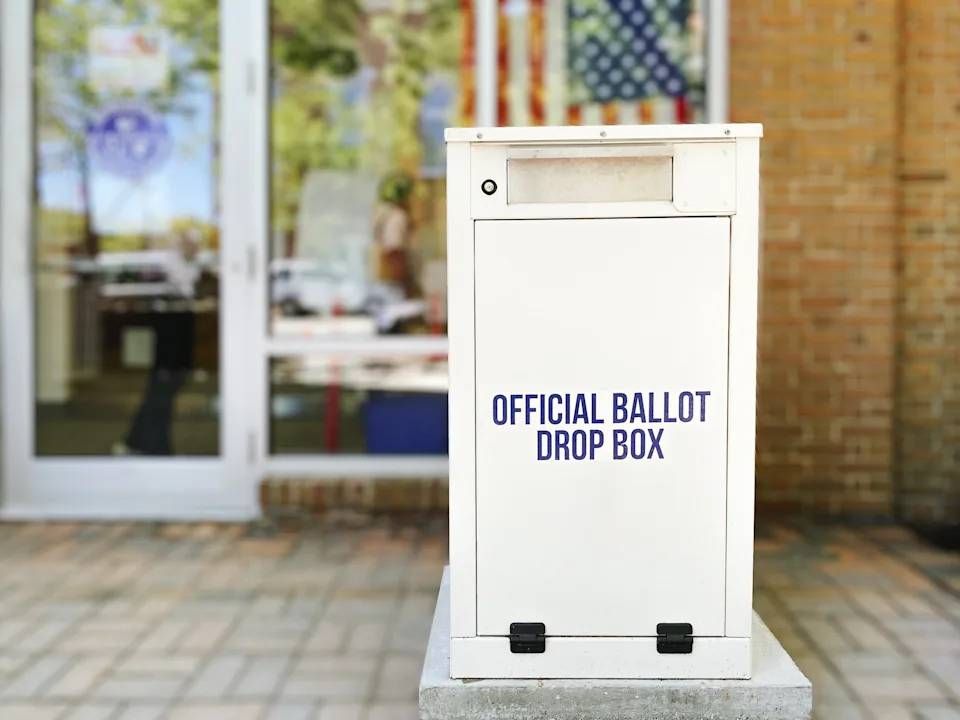
The image of the ballot drop box has become one of the most hotly debated symbols of the modern American election. Originally introduced as a measure of extreme convenience, these standalone, often unmanned metal receptacles have fundamentally altered the logistics of voting. They sit on street corners, outside libraries, and in municipal parking lots, available twenty-four hours a day. While election officials champion them for easing voter access, auditors and election integrity advocates recognize them for what they truly are: a massive vulnerability in the chain of custody.
The primary threat associated with drop boxes is ballot harvesting. In a secure election, the act of voting is a deeply individual transaction between the citizen and the state. Ballot harvesting turns voting into a bulk commodity. It involves third-party operatives—sometimes paid, sometimes ideologically driven—collecting absentee ballots from voters and depositing them into the system en masse. While paying individuals for their votes is a federal crime, the enforcement of this law is astonishingly rare. The sheer anonymity of the drop box makes it the perfect vehicle for harvesters to dump bundles of ballots without ever having to look an election official in the eye.
Addressing this vulnerability requires more than legislative complaints; it requires physical, grassroots mobilization. Election officials simply do not have the manpower—and often lack the political will—to police these collection points. If a community wants to ensure that its drop boxes are not being stuffed with harvested ballots, citizens must organize and monitor the boxes themselves.
The strategy for drop box oversight is highly tactical but entirely achievable for a dedicated group of volunteers. The process begins with establishing a daytime stakeout. Volunteers should set up a legal, unintrusive observation point near the drop box and keep a meticulous log of the activity.
The math of this observation is surprisingly straightforward. If you are monitoring a drive-up drop box, a safe baseline estimate is to count each car that pulls up as representing two ballots. Throughout the day, the observation team simply tallies the vehicles. If one hundred cars pull up to the drop box over the course of your shift, your expected ballot count when the box is emptied should be hovering around two hundred.
The moment of truth arrives when municipal workers arrive to unlock the box and extract the day’s collection. As an observer, you have the right to watch this process. If your team counted one hundred cars, but the election workers pull six hundred ballots out of the bin, you have just witnessed a severe statistical impossibility. A massive discrepancy in the physical drop count indicates that someone—or a coordinated group of someones—approached the box and deposited an unnaturally large bundle of harvested ballots.
When an anomaly like this is identified, silence is not an option. Observers must immediately notify the supervisor of elections and formally request that the specific batch of ballots retrieved from that box be segregated from the general count.
But what happens when the sun goes down? Drop boxes are notoriously active late at night, long after volunteer observers have gone home. Ballots deposited under the cover of darkness present the highest risk of illicit harvesting. Because these overnight drops cannot be visually audited by citizens in real-time, the scrutiny must be applied at the back end.
Any ballots retrieved from a drop box first thing in the morning should be treated with immediate skepticism. Citizen groups must demand that these overnight batches be handed directly over to the canvassing board for intensive validity assessments. Every single signature on those nighttime drops must be meticulously checked against the state’s official file in full view of public observers.
In the fight against ballot harvesting, some advocates have even suggested that election officials should offer public bounties for the identification and conviction of operatives paying for votes. While waiting for the government to take such aggressive measures, the citizen’s best defense is vigilance. An unwatched drop box is an invitation for fraud. A watched drop box, backed by a team of citizens tracking the math, is a fortress.