
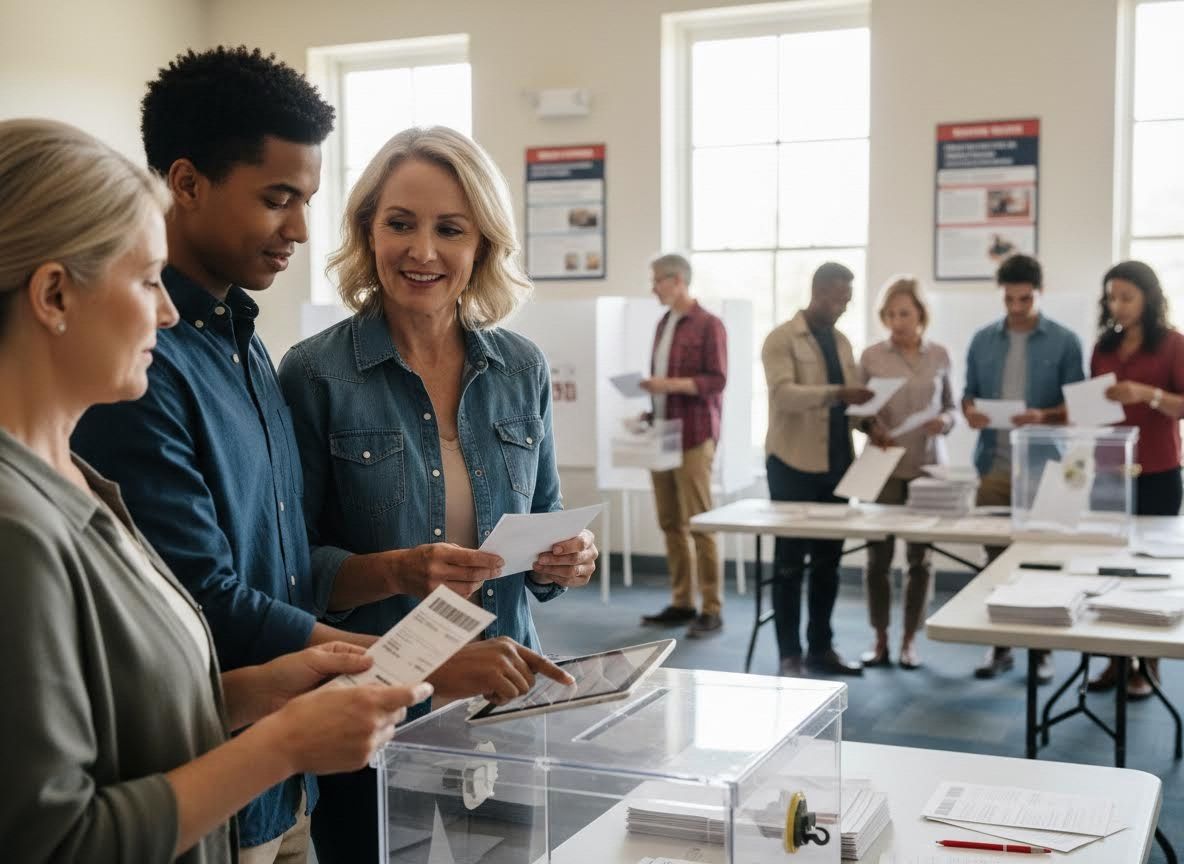
The discourse surrounding voter fraud is often charged, yet understanding the foundational truths about our electoral system is paramount for every citizen. Concerns about the integrity of our ballots are valid, and it's crucial to distinguish between perception and reality regarding unlawful voting activities. This post aims to empower you with factual knowledge, demystifying the safeguards in place and illuminating the robustness of our electoral mechanisms. The Election Expert is dedicated to fostering an informed electorate, ensuring that confidence in our democratic procedures is built on transparency and accuracy.
Defining Voter Fraud and Election Integrity
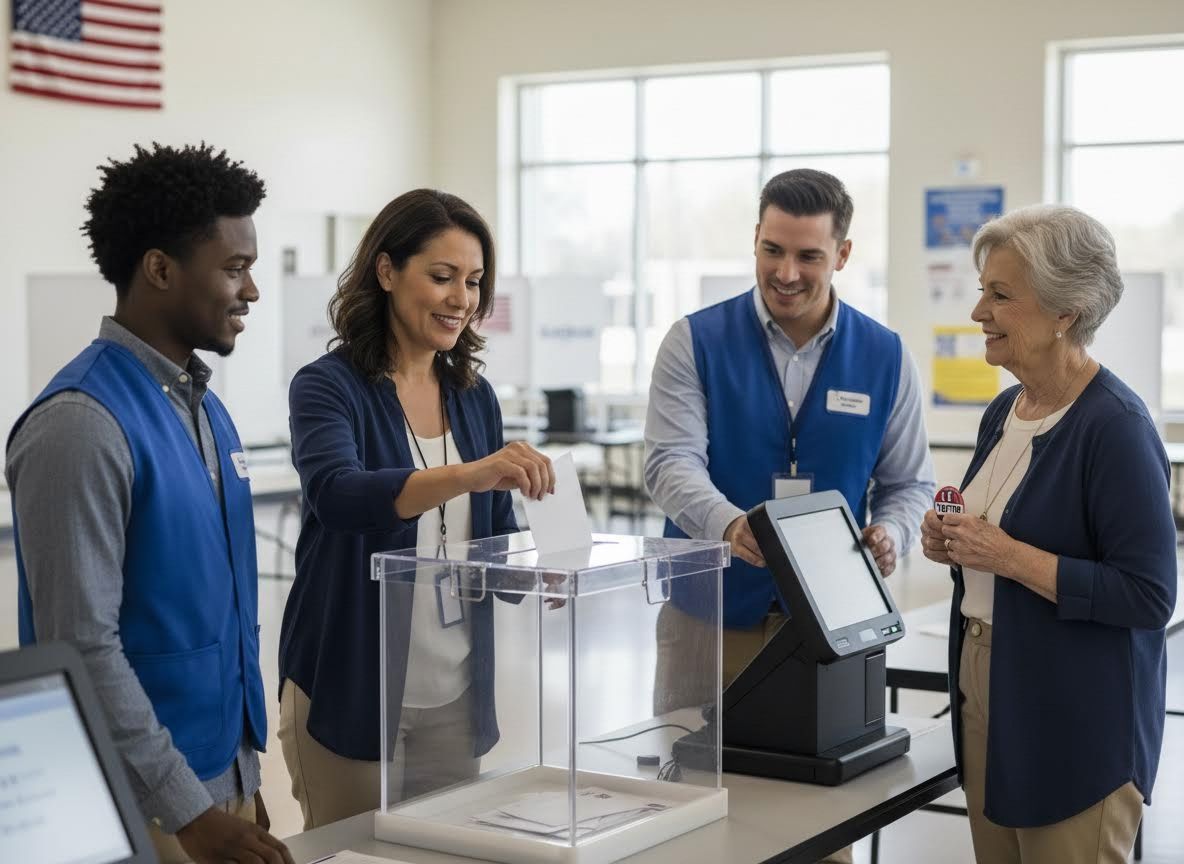
True voter fraud, as defined legally, refers to intentional criminal acts designed to corrupt an election's outcome. This includes activities like double voting, ballot harvesting where prohibited, voter impersonation, or tampering with machines. It is critical to differentiate these rare, illegal acts from administrative errors, irregularities, or even valid disagreements over election policies, which are often mistakenly labeled as fraud. Our election process is designed with multiple layers of checks and balances, focusing on the integrity of each vote cast and counted. The legal frameworks governing elections impose severe penalties for those who attempt to subvert the democratic will, underscoring the seriousness with which such offenses are treated.
Mechanisms for Preventing and Detecting Irregularities
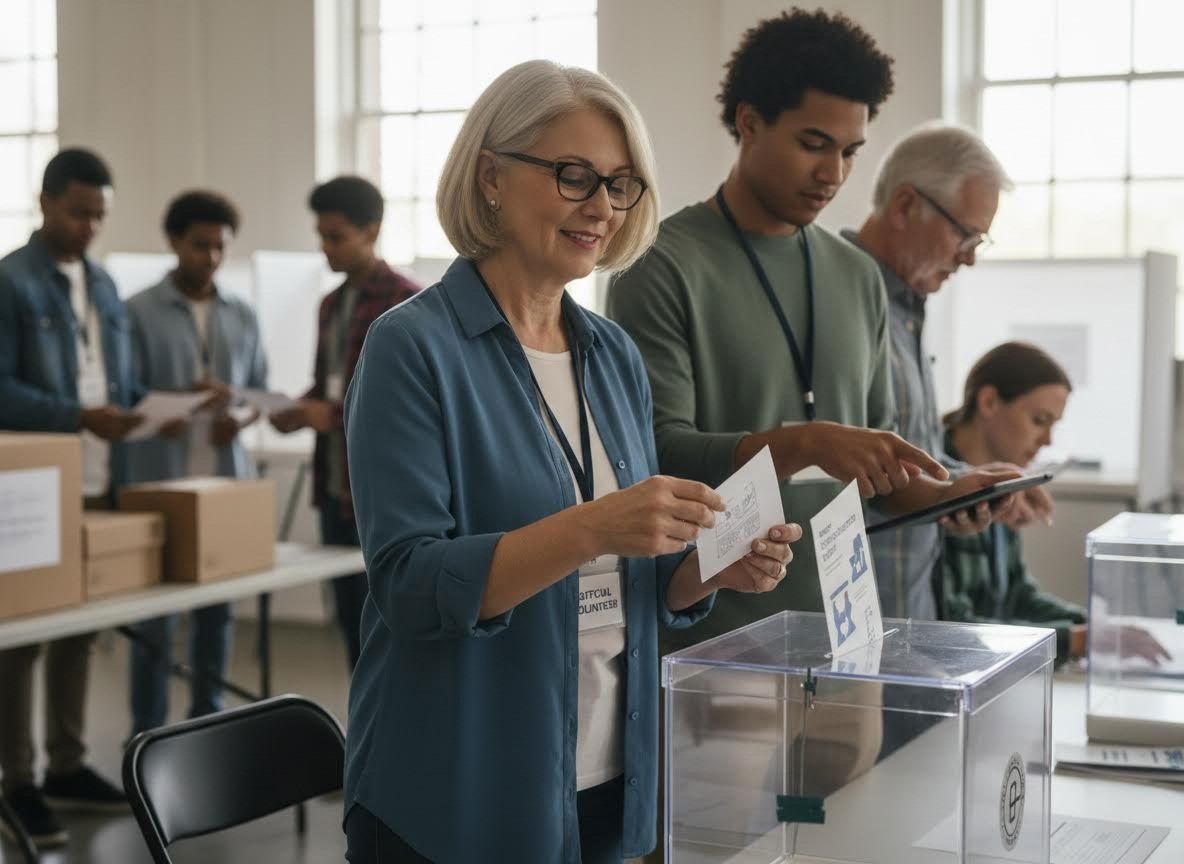
Ensuring the sanctity of each vote relies on a comprehensive suite of preventative and detection measures. From the moment a voter registers, steps are taken to verify eligibility and prevent duplicate entries. During voting, poll workers are trained to identify and address issues, and many jurisdictions employ various forms of election verification education for both voters and election officials. Ballots themselves are often designed with security features, and a strict chain of custody is maintained from distribution to counting. Post-election audits, both manual and electronic, serve as additional layers of scrutiny, meticulously reviewing results to confirm accuracy and detect any anomalies. These systematic safeguards are central to maintaining the integrity of the election process.

Securing the Vote-by-Mail System
Vote-by-mail has become an increasingly prevalent method for citizens to cast their ballots, and with it come questions regarding security. The election process for mail-in ballots incorporates robust security protocols to mitigate risks. Key measures include signature verification, where election officials compare the signature on the ballot envelope to those on file, and ballot tracking systems that allow voters to monitor their ballot's journey. Furthermore, state laws often prohibit third-party collection of ballots to prevent 'ballot harvesting' and impose strict penalties for any attempts at coercion or tampering. These safeguards work in concert to ensure that vote-by-mail remains a secure and reliable method of participation.

The Role of Vigilance in Upholding Electoral Standards
An informed and vigilant public is an indispensable component of election integrity. Understanding the nuances of the election process and the legal protections in place empowers citizens to participate confidently and responsibly. This includes knowing your rights as a voter, understanding how to report suspicious activity, and being aware of the rigorous election verification education provided to electoral staff. By staying informed about local election laws and procedures, and by actively participating in civic discourse based on verifiable facts, every individual contributes to the overall strength and reliability of our electoral system. Active engagement, coupled with critical assessment of information, strengthens democracy.
Upholding the Integrity of Our Electoral System
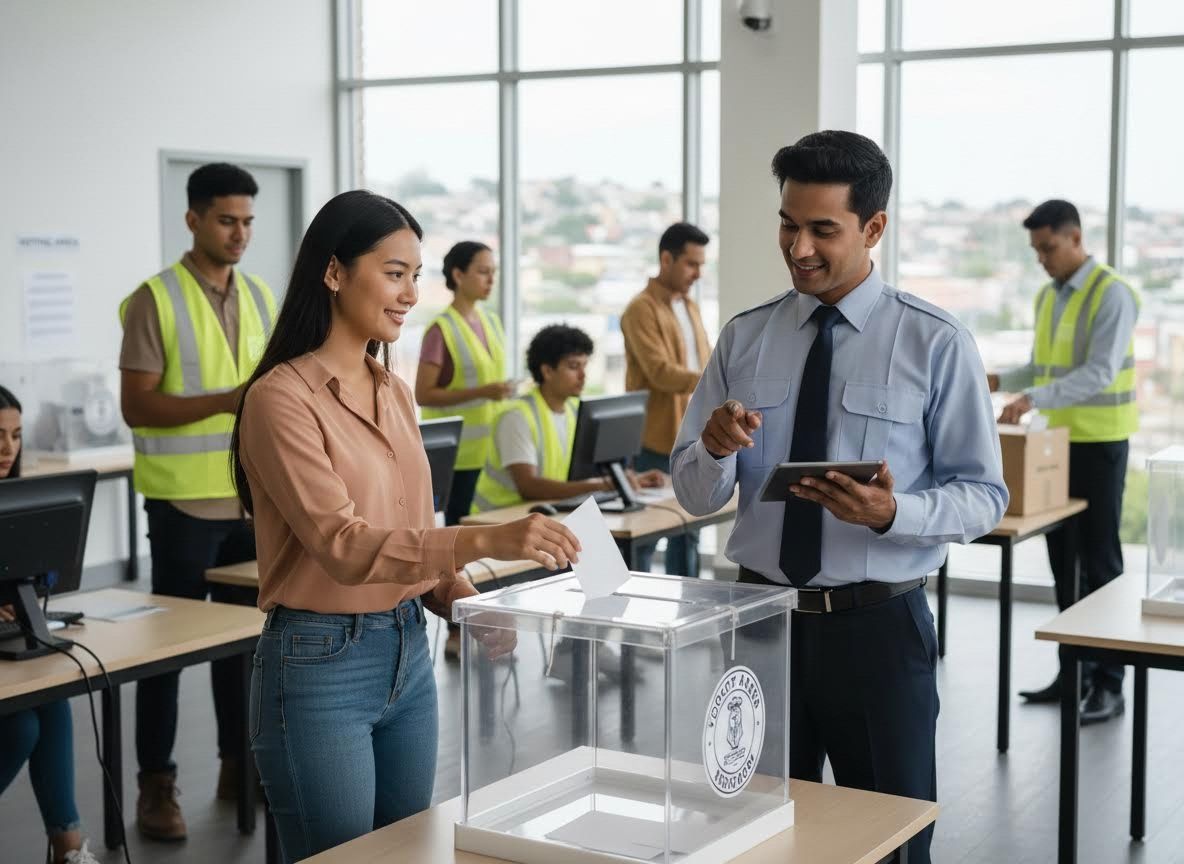
The security of our elections is not a matter of chance, but the result of meticulously designed laws, dedicated election officials, and an engaged citizenry. From voter registration to the final certification of results, every stage of the election process is fortified with preventative measures and oversight. While the potential for isolated incidents of fraud exists, the systematic mechanisms for detection and punishment are robust. The Election Expert believes that transparent information and continuous election verification education are key to maintaining public trust and ensuring that our democratic foundations remain strong. To learn more about specific election security protocols in your area and how you can support election integrity, we encourage you to explore our comprehensive resources.