
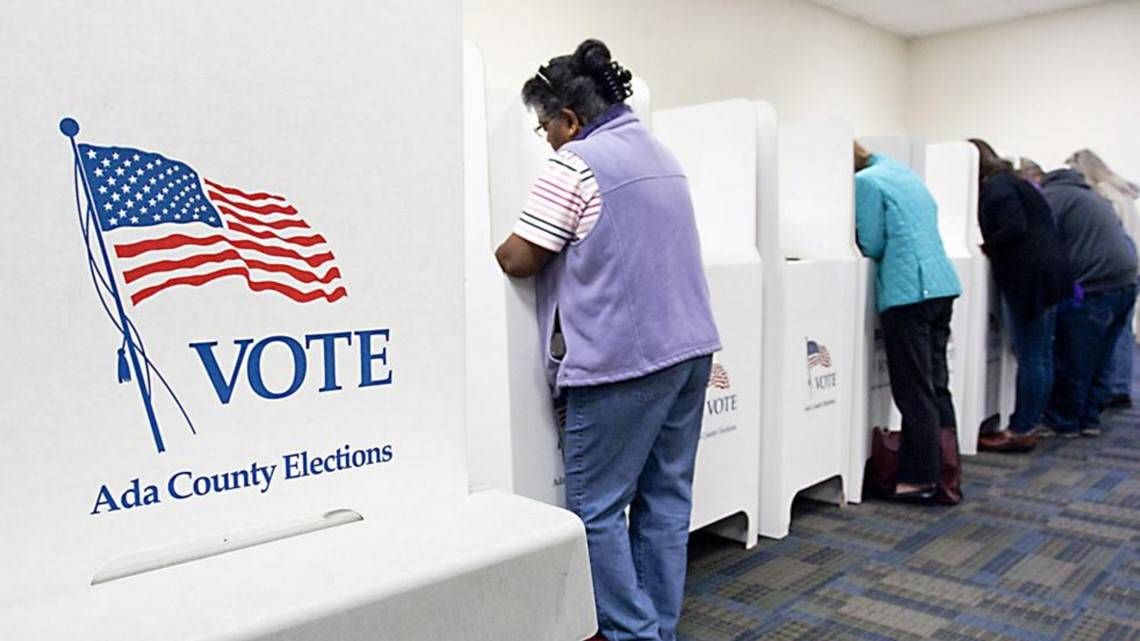
If early voting and Election Day represent the secure, physical bedrock of our democratic process, the Vote-By-Mail (VBM) system is its most vulnerable frontier. It is the “third way” to vote, and historically, it is the easiest mechanism to exploit if one wishes to pump additional, unverified ballots into the final count. Unlike in-person voting, where a citizen must physically present themselves to an election worker, the VBM process removes the voter from the direct oversight of the precinct. Ensuring the integrity of this system requires constant, aggressive citizen involvement.
The auditing of mail-in ballots must begin long before the first envelope is opened. In most states, VBM ballots are sent out thirty days prior to the general election. While some states have implemented universal mail-in voting—blasting ballots to every name on the voter roll, regardless of eligibility—most states still require a voter to actively request one.
The first step in closing the VBM blind spot is to track the initial volume. Citizen auditors must establish daily communication with the supervisor of elections to track exactly how many VBM ballots have been requested and how many have been mailed out. Just as importantly, auditors must track the returns. Historically, roughly 20 percent of requested mail-in ballots are never returned. Voters change their minds, decide to vote in person, or simply forget. If a voter requests a VBM ballot but decides to vote on Election Day, they are required to physically surrender their uncast mail-in ballot to the precinct clerk for cancellation. Tracking these cancellations is vital to ensuring that a single voter does not inadvertently—or intentionally—cast two ballots.
As election day approaches, the influx of mail-in ballots arrives via the postal service, physical drop boxes, and over-the-counter drop-offs. Election officials are legally required to maintain a daily log of received VBM ballots. By requesting this number every day—starting five days after the ballots are initially mailed out—citizens can build a cumulative total of the VBM universe prior to the chaos of Election Day.
But counting the envelopes is only half the battle; validating their authenticity is where the real fight for election integrity takes place. This occurs at the canvassing board meetings.
Canvassing boards are tasked with reviewing mail-in ballots to ensure they meet the basic legal requirements to be counted. The most critical component of this review is signature matching. Every VBM envelope must bear the signature of the voter, which is then compared against the official signature on file with the state. This is not a mystical science; bank tellers perform signature verifications thousands of times a day to prevent financial fraud. Yet, in the realm of elections, this process is frequently rushed or entirely bypassed.
Federal law—specifically the Help America Vote Act—requires certain mail-in voters to provide valid photo identification, yet many states blatantly ignore this provision. This makes the signature match the only remaining safeguard. It is imperative that citizen observers attend these public canvassing board meetings. Observers have the right to visually inspect the signature matches alongside the officials. If an envelope lacks a signature, or if the signature wildly deviates from the official record, citizens must vocalize challenges to prevent that ballot from entering the count.
Beyond signature verification, visual inspection of the physical envelopes can reveal the telltale signs of ballot harvesting. Ballot harvesting—the organized collection of absentee ballots by third-party operatives, often involving financial incentives—is illegal in many jurisdictions but rarely prosecuted. When observing the canvassing process, citizens should look for glaring anomalies. A sudden influx of envelopes with no return addresses filled out, groups of envelopes bearing the exact same style of postal stamps, or batches of envelopes with no stamps at all are major red flags. These suggest that the ballots were not mailed by individual voters, but collected and deposited in bulk by an operative.
When a citizen auditor spots these anomalies, they must formally request that the canvassing board set those specific ballots aside. They must be subjected to intense authenticity reviews or run back through the signature match process.
Election officials operate under the assumption that the public is not paying attention. When citizens show up, ask for daily VBM totals, estimate the volume of USPS plastic trays (which generally hold 500 ballots each), and closely observe the signature matches, the dynamic changes entirely. Transparent officials will welcome the oversight. Uncooperative officials will try to block it. In either case, diligent citizen involvement is the only way to shine a light into the vote-by-mail blind spot and ensure that every ballot counted was legally cast.