Ensuring the integrity of every vote cast is paramount to a functioning democracy, and as methods like vote-by-mail become more prevalent, understanding the robust security protocols in place is crucial. Navigating secure ballot casting requires both education and vigilance from every citizen. At The Election Expert, we believe in empowering voters with the knowledge to confidently participate in the election process, ensuring their voice is heard and protected. This guide aims to shed light on how vote-by-mail is designed to be secure and how you can contribute to its integrity.
The Legal Framework Fortifying Vote-by-Mail Security
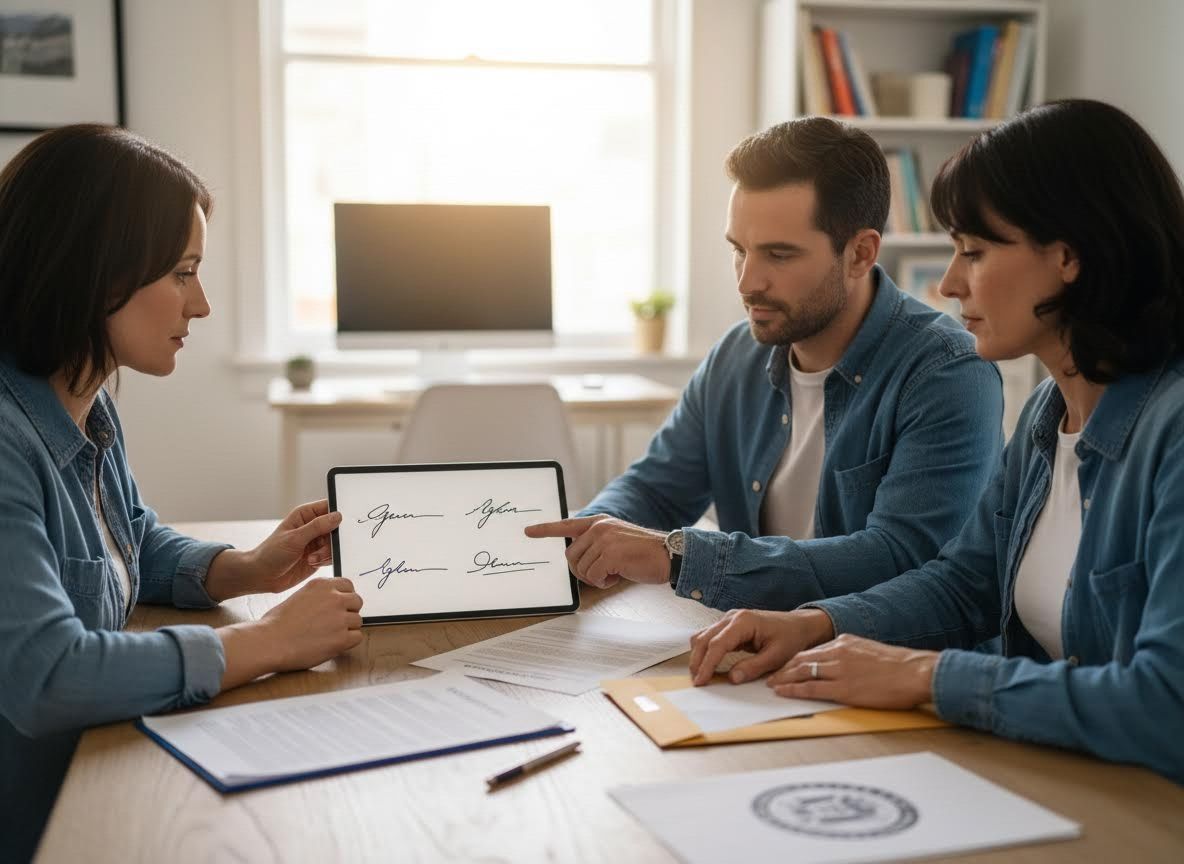
Across jurisdictions, the implementation of vote-by-mail is anchored in a comprehensive legal framework designed to safeguard against fraud and ensure fairness. These laws detail every step, from ballot printing and distribution to collection and tabulation. Critical components include signature verification processes, which are often digitally assisted and manually reviewed, strict chain-of-custody requirements for ballots, and severe penalties for any attempts at interference or illegal ballot harvesting. Understanding these foundational rules helps demystify the election process and reinforces the inherent security measures. This rigorous legal underpinning is a testament to the commitment to maintaining secure and trustworthy elections.

Your Role in Secure Ballot Casting
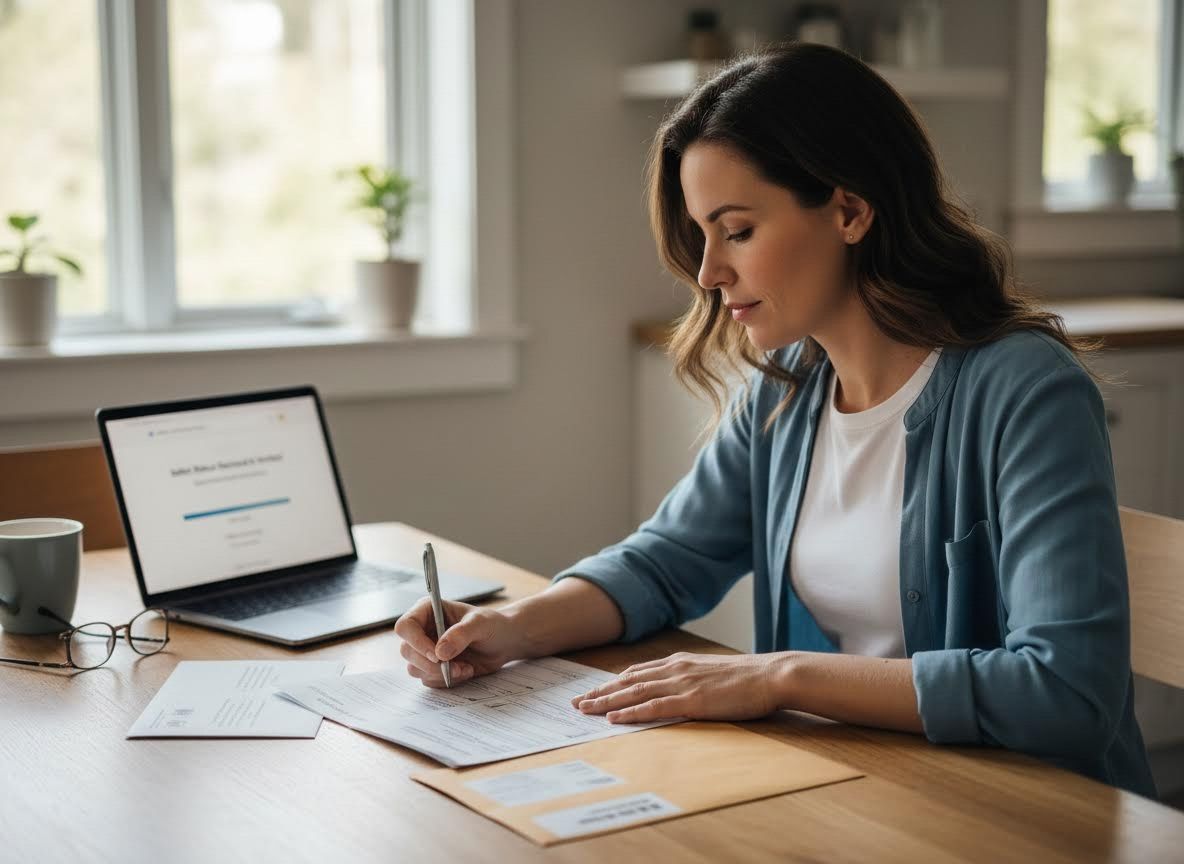
Participating in vote-by-mail involves specific, actionable steps that empower you to ensure your ballot is cast securely. First, always register to vote and keep your registration information current. When your ballot arrives, inspect it carefully and follow all instructions precisely. This includes using the correct envelopes, sealing them properly, and providing your signature exactly as it appears on file. Utilize official ballot tracking systems, if available in your state, to monitor your ballot's journey from issuance to acceptance. Being a proactive and informed participant is a vital layer of defense in the overall election process.

The Power of Election Verification Education
A well-informed public is the strongest defense against misinformation and threats to electoral integrity. Engaging in election verification education initiatives is not merely about understanding how to mark a ballot; it's about comprehending the multi-layered security protocols, auditing procedures, and legal safeguards that underpin the entire voting system. When citizens are educated about the meticulous steps involved in ballot processing, from signature matching to post-election audits, confidence in the election process is naturally strengthened. This collective knowledge fosters an environment where potential anomalies can be identified and addressed through legitimate channels, rather than allowing baseless claims to erode trust.
Vigilance Against Disinformation and Electoral Interference
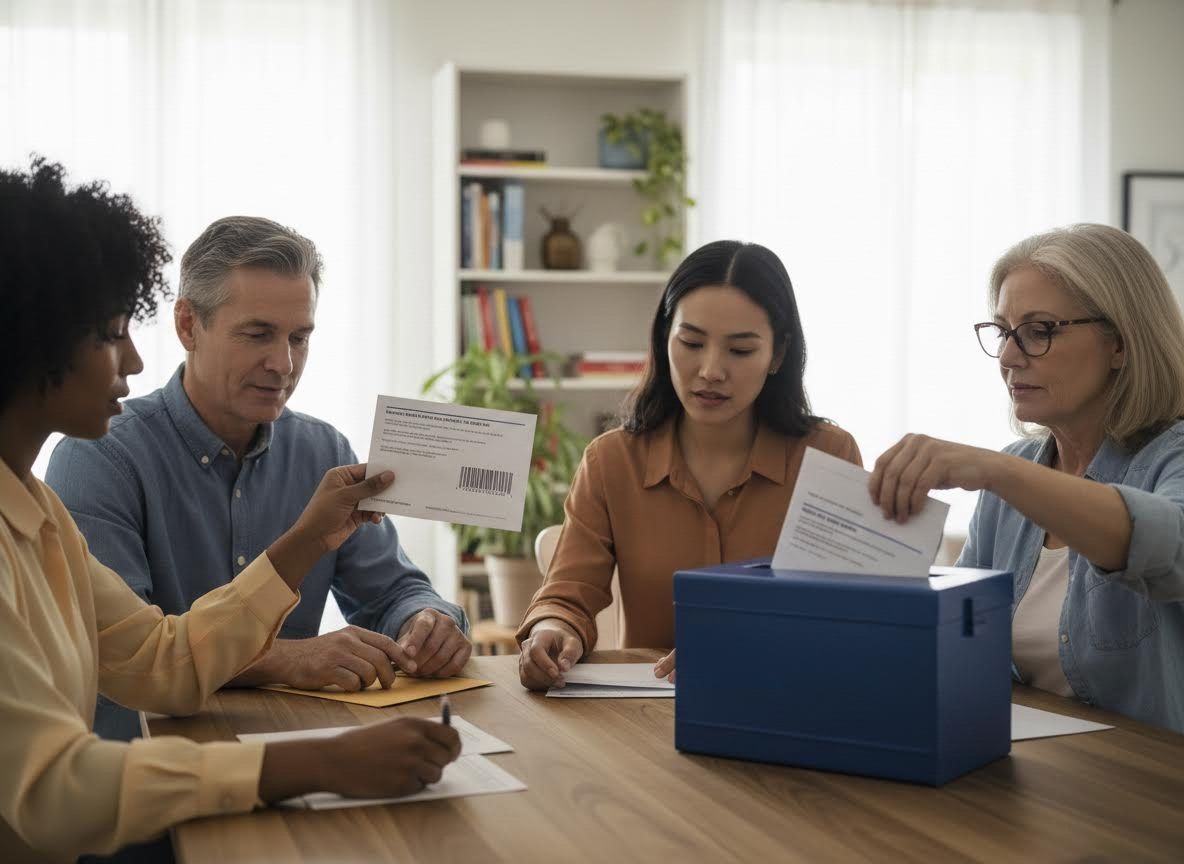
In an age of rapid information dissemination, being vigilant against disinformation is as crucial as understanding the physical security of your ballot. Be critical of unofficial sources claiming widespread fraud or security breaches without credible, verifiable evidence. Rely on official election authorities for information regarding vote-by-mail procedures and security updates. Report suspicious activity or direct attempts at voter coercion to the proper authorities. Your active vigilance and commitment to seeking accurate information are essential in preserving the integrity of the election process and protecting the democratic foundation we share.
Navigating the landscape of vote-by-mail with confidence and security is a shared responsibility, built upon a foundation of robust legal frameworks, active citizen participation, and thorough election verification education. By understanding the processes and maintaining vigilance, voters play an indispensable role in upholding the integrity of our elections. For a deeper dive into election security measures and to explore how your community can further strengthen its election process, connect with The Election Expert.