
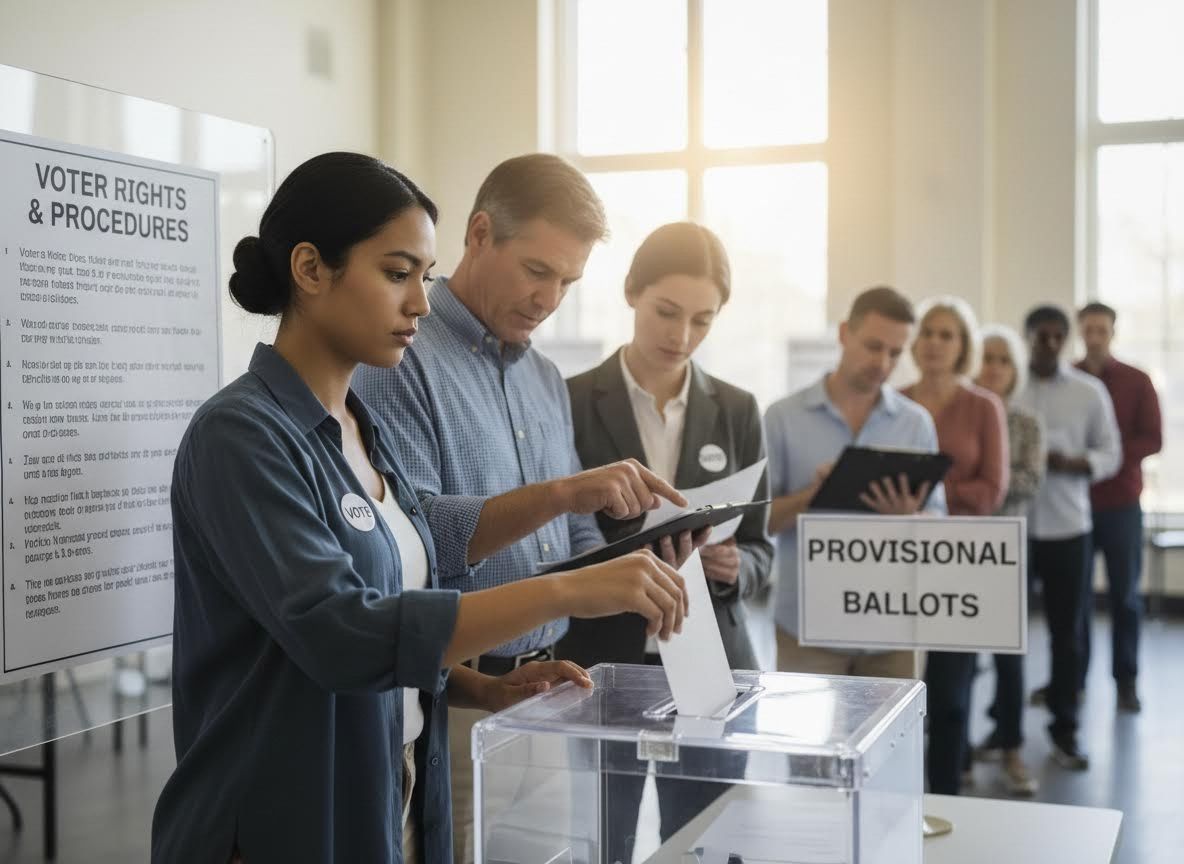
The act of voting is a cornerstone of democracy, and understanding your legal rights as a voter is paramount. In an era where election integrity is a frequent topic of discussion, being well-informed empowers you to participate confidently and effectively. The Election Expert is dedicated to illuminating the essential legal frameworks that safeguard your ability to cast a ballot and have it counted. This post will detail key aspects of your voter rights, ensuring you are equipped with the knowledge to uphold the democratic process.

The Foundational Legal Frameworks of Your Vote
Your right to vote is protected by a robust web of constitutional provisions and statutory legal frameworks at both federal and state levels. These protections ensure universal access to voter registration, the privacy of your ballot, and the right to cast a vote free from intimidation or undue influence. Key federal laws, such as the Voting Rights Act, aim to prevent discriminatory practices in election administration. It is vital to know that these legal frameworks guarantee that processes for registration, voting, and ballot counting are conducted with fairness and transparency.
Safeguarding Your Ballot: Focus on Mail-in Voting and Challenged Votes
For many, vote-by-mail has become a convenient and necessary method of participation. Your legal rights surrounding vote-by-mail include clear procedures for application, receiving, completing, and returning your ballot securely. States have specific legal frameworks for signature verification and ballot processing to guard against voter fraud, ensuring that every legitimate ballot is accounted for. Should your eligibility to vote be questioned at the polls, or if there's an issue with your mail-in ballot, you have the right to cast a provisional ballot, which is reviewed by election administration officials to determine its validity. This mechanism is a critical safeguard for your voting rights.
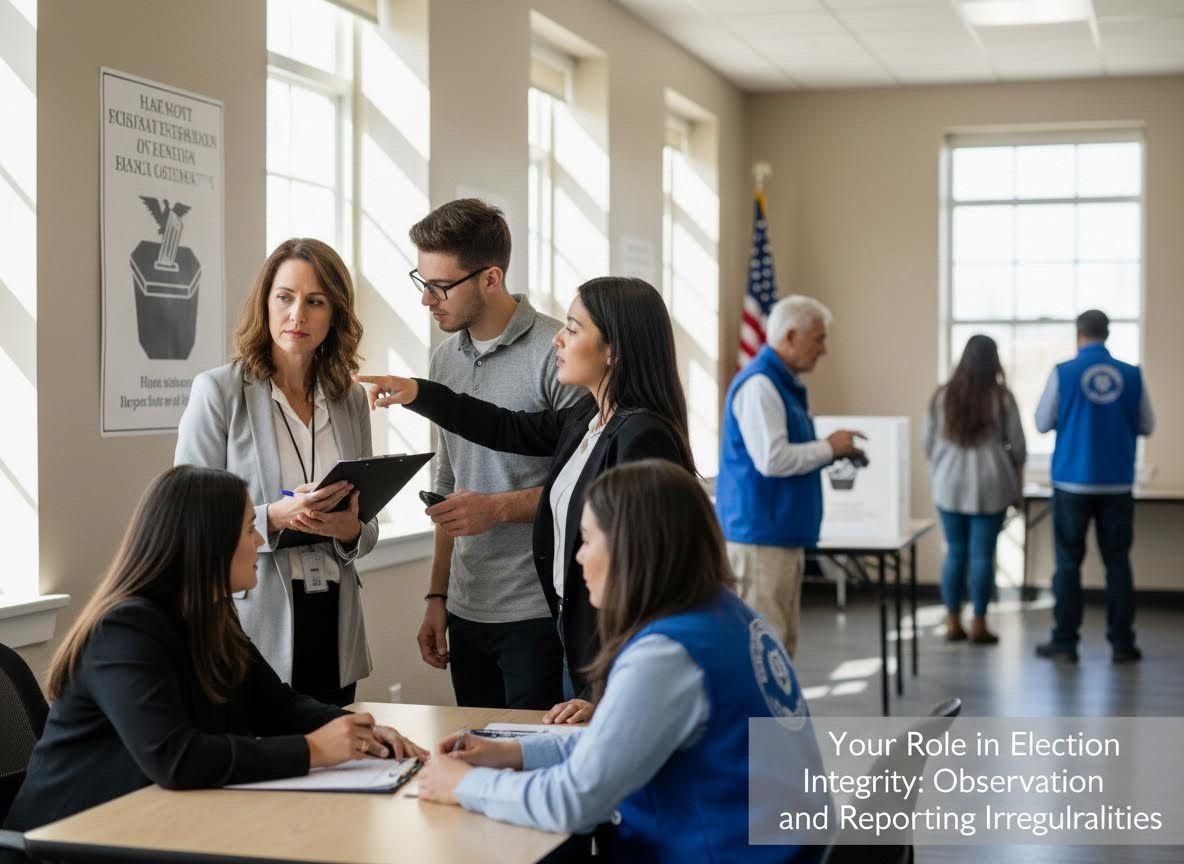
Your Role in Election Integrity: Citizen Observation and Reporting Irregularities
Beyond casting your vote, you possess the legal right and civic responsibility to engage in citizen observation of the electoral process. This involves observing activities at polling places, ballot counting centers, and election administration offices, provided you adhere to established rules and legal frameworks governing observer conduct. This vigilance is crucial for maintaining transparency and accountability. If you witness what you believe to be an irregularity or a violation of election law, you have the right to report it through appropriate channels, typically to poll workers, election officials, or designated legal representatives, ensuring that election experts can investigate and address concerns promptly.
When Your Rights Are Challenged: Paths to Remediation
Despite comprehensive legal frameworks, unforeseen challenges to your voting rights can occur. If you are denied the right to register, cast a ballot, or experience any form of voter suppression, you have clear avenues for recourse. You should immediately inform a poll worker or an election official. Many states also have designated hotlines or legal teams on site or on call to assist voters with immediate issues. Understanding these steps and being prepared to exercise your rights is a powerful form of civic engagement, reinforcing the principle that every vote counts and every voter's legal protections must be upheld.

Your Empowered Participation in Democracy
Understanding the intricate legal frameworks that protect your right to vote is not merely a passive exercise; it is an active form of civic engagement. From comprehending election administration processes to exercising your right to citizen observation, your informed participation fortifies the democratic system. The Election Expert provides unparalleled insights and strategic guidance, helping individuals and organizations navigate the complexities of electoral law and procedure. To delve deeper into specific electoral processes or legal protections, explore our comprehensive resources.